
Onsite doctor vs visiting doctor: what a factory with 500+ workers needs
When does a factory need a full-time onsite doctor instead of a visiting doctor? How to weigh headcount, shifts, hazards and distance to hospital for a 500+ worker site.
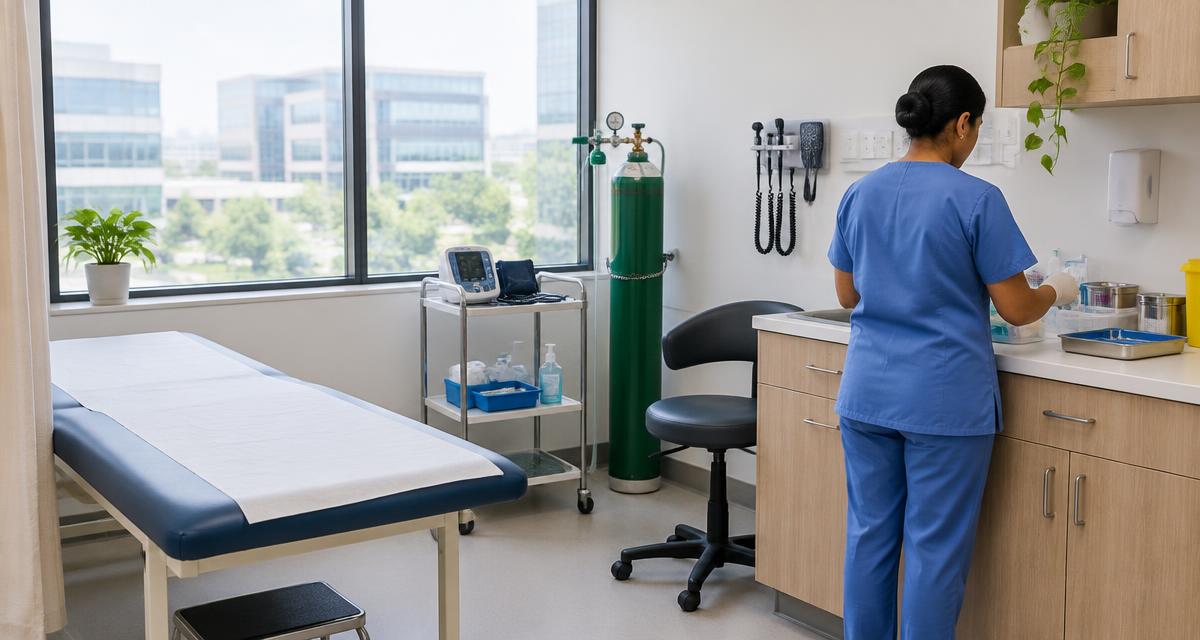
Once a factory crosses a few hundred workers, the question of medical cover becomes harder to answer with a first-aid box and a nearby clinic. Plant heads often ask a simple question: do we need a doctor onsite every day, or will a visiting doctor a few times a week do? The honest answer depends on four things: the law that applies to you, your hazards, your shifts and how far you are from definitive care.
Start with what the rules require
Factory health rules set minimum medical arrangements, and in many states those minimums change with headcount and with whether the process is classed as hazardous. Some sites must have a medical officer for a set number of hours, others must have a full occupational health centre. Because the thresholds and hours vary, check the applicable state rules, your factory licence and any consent conditions before deciding. The legal minimum is a floor, not a design.
What a visiting doctor does well
A visiting doctor, usually supported by a full-time nurse, works well where the main need is routine: periodic examinations, reviewing sick workers, fitness decisions, record review and health talks. The model is cost-effective when injuries are uncommon, the site runs one or two shifts and a hospital is close.
Where it falls short
The weakness is time. Serious incidents do not wait for visiting days. If the nurse is alone when a worker collapses, the outcome depends on her training, the equipment and how quickly an ambulance and doctor can be reached.
What a full-time onsite doctor adds
A doctor onsite every working day can make clinical decisions immediately: stabilise and refer, manage minor injuries without sending workers out, review return-to-work cases, and spot clusters of illness early. For a site with 500 or more workers, that daily presence often reduces time lost to outside visits.
The hidden benefit: surveillance
Hazard-linked surveillance, such as hearing, lung function or blood tests for specific exposures, is only useful if someone reads the results and acts. A daily doctor has time to follow up abnormal results and talk to supervisors about controls.
Four questions to decide
1. How many shifts do you run?
If you run three shifts, most of your workforce may never meet a doctor who visits during day hours. Consider nurse cover on every shift with a doctor either daily or on call.
2. How severe are your foreseeable injuries?
Molten metal, chemicals, high-voltage work, heavy machinery and work at height raise the stakes. The more severe the foreseeable injury, the stronger the case for a doctor onsite.
3. How far is definitive care?
If the nearest hospital that can manage trauma or burns is more than a short drive away, the onsite team must hold a casualty longer. That needs more clinical capability onsite.
4. What do your customers and auditors expect?
Export and multinational customers often audit medical arrangements. Their standards may be stricter than the legal minimum.
A practical middle path
Many 500+ worker sites settle on a hybrid: a full-time doctor on the main shift, trained nurses on every shift, an ambulance onsite or on a guaranteed call-out, and trained first-aiders in each department. Review the model every year against your incident and visit data.
Getting the staffing right
Whichever model you choose, write down the roles, hours, relief arrangements and escalation path. Ask your provider to show how the model will cover nights, weekends and leave.
Using your own data to decide
Before you change the model, pull twelve months of medical room records. Count visits by shift, the share of work-related injuries, the number of referrals to hospital and how long injured workers were away. Look at what happened on days without a doctor: were cases sent out that a doctor could have managed onsite, or were decisions delayed until the next visit? Also look at overdue periodic examinations and unreviewed abnormal results; a backlog is a sign that visiting hours are not enough. These numbers turn a cost debate into a safety and productivity conversation that plant leadership can act on.
If you do move to a full-time doctor, define the role clearly. The doctor should own surveillance, fitness decisions, return-to-work reviews and health education, not only treat walk-in complaints.
Common mistakes to avoid
- Deciding on cost alone without looking at shift patterns and injury data.
- Assuming a visiting doctor's hours meet the rules without checking the applicable state rules.
- Leaving night shifts with untrained cover and no doctor on call.
Next steps
Collect your visit and injury data, confirm the applicable state rules with your legal or compliance team, and ask two providers to propose a staffing model with costs for each option. Pilot the chosen model for a quarter, then review the same data again.
Plan My Health supplies MBBS doctors, nurses and paramedics for factories across India. See how we size teams on our OHC staffing: doctors and nurses page.
FAQs
Is a full-time doctor mandatory for a factory with 500 workers?
It depends on your state's factory rules, whether your process is hazardous and your licence conditions. Check the applicable state rules; many sites choose more cover than the minimum.
Can a nurse run the medical room alone?
A trained nurse can handle routine care and first response, but needs clear protocols, a doctor on call and a quick route to hospital for serious cases.
How often should the staffing model be reviewed?
At least once a year, and whenever headcount, shifts or processes change significantly.
Share this article
Pick a tagline
The highlighted image above appears automatically as the preview picture on WhatsApp, LinkedIn and Facebook.
Related services
Want this for your workforce?
Start free with 25 employee health risk assessments and a corporate dashboard.
Get started for corporatesPlan this for your workplace
Discuss OHC doctor and nurse staffing for your employee roles, locations and shift coverage.