
Onsite Clinic with an MBBS Doctor and Nurse: How to Set One Up in Your Office or Factory
Last updated 11 October 2026
How to set up an onsite clinic at your office or factory: nurse-only room vs doctor visits vs full OHC, staffing, equipment, records and costs to plan for.
By the Plan My Health corporate health team
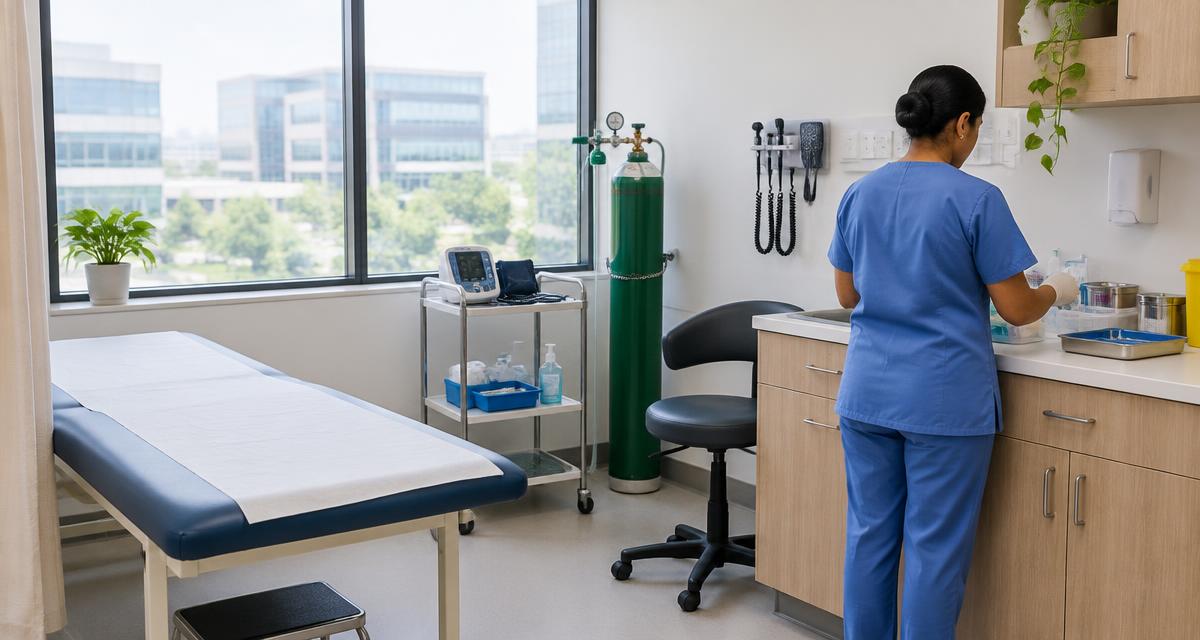
An onsite clinic puts a qualified nurse and an MBBS doctor where your employees work, so minor illnesses, injuries and chronic conditions are handled in minutes instead of half-days off. Most companies choose one of three models — a nurse-only medical room, a nurse plus scheduled doctor visits, or a full occupational health centre (OHC) — based on headcount, shifts and risk.
Why companies set up an onsite clinic
- Time saved: an employee who sees an onsite nurse is back at the desk or machine in 20 minutes.
- Emergency readiness: a trained clinician is present for chest pain, fainting, seizures or injuries until the ambulance arrives.
- Chronic disease follow-up: BP and sugar checks for diabetic and hypertensive employees, every week, without a hospital visit.
- Compliance: factories and large construction sites have statutory medical duties; an onsite clinic covers most of them.
- Lower insurance claims: early detection and follow-up reduce avoidable hospital admissions over time.
The three models
| Model | Who is on site | Best for |
|---|---|---|
| Nurse-only medical room | GNM/ANM/BSc nurse on working hours; doctor on call or tele-consult | Offices of 100–500 people, low-risk work |
| Nurse + doctor visits | Nurse full time; MBBS doctor 2–3 times a week for OPD and fitness checks | Larger offices, campuses, light manufacturing |
| Full OHC | Nurses across shifts; MBBS doctor with AFIH for factories; ambulance | Factories, hazardous processes, large sites, 24x7 operations |
Who to hire: qualifications that matter
- MBBS doctor registered with the state medical council. For factories, prefer a doctor with the AFIH (Associate Fellow of Industrial Health) qualification, because hazardous-process medicals and certifying duties call for it.
- Nurse: GNM, ANM or BSc Nursing with a valid registration, BLS training and experience in emergency or industrial care.
- Back-up cover: a replacement for leave days, so the clinic never closes without notice.
Space and equipment checklist
- A room with privacy, a wash basin, good light, ventilation and an examination couch.
- BP apparatus, glucometer, pulse oximeter, thermometer, weighing scale with height rod, ECG machine for larger sites.
- Oxygen cylinder with mask, AED, suction, stretcher and spine board.
- Emergency drug tray and a stock of common OTC medicines, managed under the doctor's supervision.
- Biomedical waste bins with colour coding and a disposal agreement.
Records an onsite clinic must keep
- OPD register (date, employee, complaint, treatment, referral).
- Injury and first aid register.
- Medicine stock and expiry register.
- Periodic medical examination records, and statutory forms for factories (such as Form 32 and Form 33 where applicable).
- Ambulance and referral log.
A digital record system makes these registers searchable and gives HR anonymised trends without exposing individual health data.
Office vs factory vs construction site
- Corporate office: focus on chronic disease follow-up, stress, eye strain, ergonomics and quick emergency response on every floor.
- Factory: injuries, chemical exposure, noise, statutory medicals, ambulance room duties and shift cover.
- Construction site: falls, heat stress, labour camp hygiene, BOCW duties and a portable medical post that moves as the site grows.
Cost drivers to plan for
The monthly cost depends on hours covered (8, 12 or 24), number of nurses and doctor visits, equipment and medicines (bought or rented), and whether an ambulance is included. Ask for a quote that shows each line separately so you can scale up or down.
How Plan My Health helps
Plan My Health staffs and runs onsite clinics across India — nurse-only rooms, doctor visit models and full OHCs — with digital records and monthly HR reports. Explore onsite clinic with MBBS doctor and nurse, onsite clinic for corporate offices and onsite clinic for factories.
FAQs
What is the difference between an onsite clinic and an OHC?
An onsite clinic is any workplace medical room staffed by a nurse or doctor. An OHC is a fuller setup that also handles statutory medical examinations, occupational exposure monitoring and emergency response, mostly in factories.
Does a corporate office legally need an onsite doctor?
Most offices are not legally required to have a doctor, but they must provide first aid. Many choose a nurse and visiting doctor for employee wellbeing and faster emergency care.
Can one nurse cover a whole office building?
For a single building with a few hundred people on day shift, one nurse plus trained first-aiders on each floor is common. Multiple shifts or buildings need more cover.
What does an AFIH doctor do?
An AFIH-qualified doctor is trained in industrial health and handles medical examinations for hazardous processes, fitness certification and occupational disease surveillance.
How quickly can an onsite clinic be started?
A nurse-only room can usually start within a few weeks once space is ready. A full OHC takes longer because of equipment, staffing and approvals.
Share this article
Pick a tagline
The highlighted image above appears automatically as the preview picture on WhatsApp, LinkedIn and Facebook.
Related services
Want this for your workforce?
Start free with 25 employee health risk assessments and a corporate dashboard.
Get started for corporates