
Heat Stress at Work in India: Prevention Guide for Employers
Medically reviewed by: pending
Last updated 21 October 2026
How factories, construction sites and offices can prevent heat stress and heat illness in Indian summers, with a practical employer checklist.
By the Plan My Health corporate health team
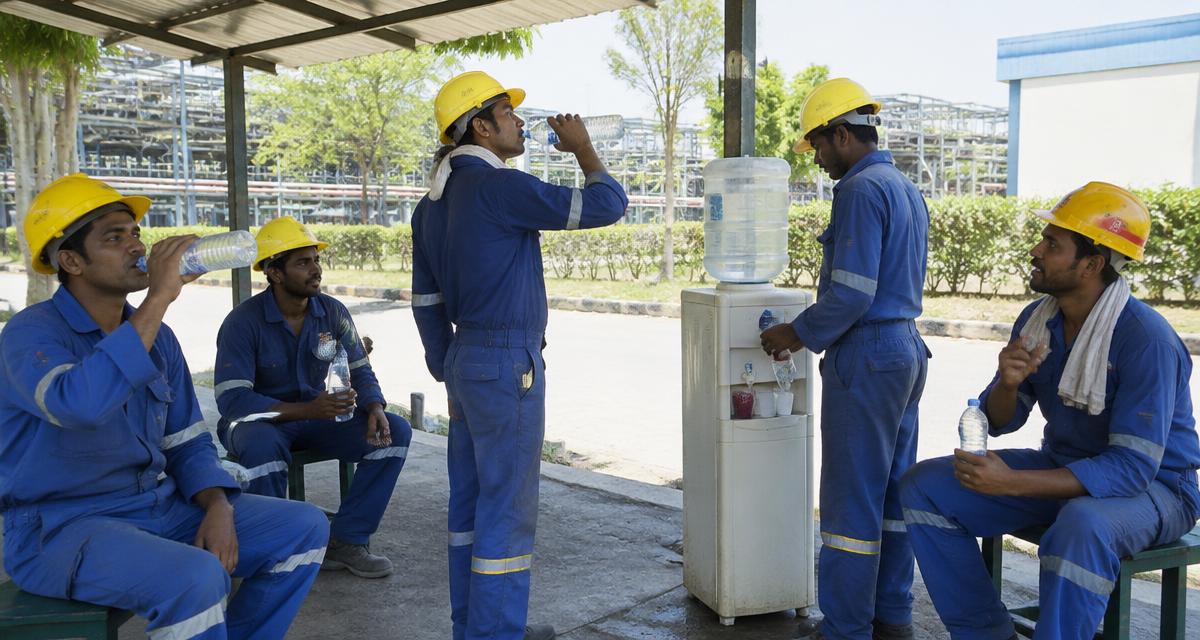
Heat stress happens when the body cannot lose heat as fast as it gains it, from hot weather, hot processes, heavy physical work and protective clothing. In Indian summers it is one of the most predictable workplace health risks: the season, the hottest hours and the most exposed roles are all known in advance. That makes heat illness largely preventable when employers plan water, shade, rest and work schedules before the heatwave arrives, not during it.
This guide is for plant heads, EHS officers, construction project managers and facility teams. It explains who is at risk, the warning signs, the controls that work and a checklist you can use this season. For hands-on support, our occupational health centre services and first aid training teams can help you set up the programme on site.
Who is most at risk
- Construction and road workers doing heavy manual work outdoors in direct sun
- Factory workers near furnaces, boilers, kilns, foundries, ovens or poorly ventilated sheds
- Warehouse, loading and logistics staff working under metal roofs
- Security guards, drivers, delivery and field staff on long outdoor shifts
- Workers new to the job or returning after leave, who have not yet acclimatised
- Employees with diabetes, heart disease, high blood pressure, kidney disease or on certain medicines, and anyone who is unwell, dehydrated or has had alcohol
Humidity matters as much as temperature. Coastal cities and monsoon build-up can make a moderate temperature feel much harsher, because sweat does not evaporate well. The India Meteorological Department (IMD) issues heatwave warnings by district, and many states and cities now publish heat action plans; check yours at the start of each season.
Warning signs supervisors should know
Heat illness ranges from mild to life-threatening. Supervisors and first aiders should recognise the early signs and act before they progress:
- Heat cramps and heat rash: painful muscle spasms, prickly rash; move to shade, give water and oral rehydration solution
- Heat exhaustion: heavy sweating, weakness, dizziness, headache, nausea, fast pulse; stop work, cool down, rehydrate and observe
- Heat stroke: confusion, slurred speech, collapse, fits, very hot skin, sometimes no sweating; this is a medical emergency — call an ambulance, cool the person aggressively with water and fanning, and do not give fluids by mouth if they are not fully alert
Anyone who does not improve quickly, or shows confusion at any point, should be treated as heat stroke until a doctor says otherwise.
Controls that actually work
The most effective controls change the work, not just the worker. Use them in this order:
- Reschedule: move heavy and outdoor tasks to early morning and evening; avoid the hottest afternoon hours where you can
- Engineer the heat down: shade structures, ventilation, spot coolers, insulation on hot surfaces and roofs, mechanical aids to reduce physical effort
- Water, rest, shade: cool drinking water within easy reach, scheduled breaks in a shaded or cooled rest area, more frequent breaks as heat rises
- Acclimatise: build up exposure gradually over the first one to two weeks for new and returning workers
- Buddy system: pair workers so each watches the other for early signs
- Clothing and PPE: light, loose, breathable clothing where PPE allows; cooling vests or neck wraps for high-heat tasks
Encourage workers to drink small amounts often rather than waiting until they feel thirsty, and to avoid alcohol and very sugary drinks. Workers with medical conditions should check with the site doctor about fluid intake and medicines.
Medical checks and fitness for heat work
Pre-employment and periodic medical examinations are a good moment to identify workers who need extra care in the heat, such as those with uncontrolled blood pressure, diabetes or heart conditions. Under the Factories Act, 1948 and state factory rules, employers already have duties around ventilation, temperature and worker health in factories; construction sites have parallel duties under BOCW rules. The exact requirements vary by state and process, so confirm them for each site. Our guide to factory medical checkup tests by hazard covers which examinations fit which exposures.
First aid readiness
Every shift working in heat should have trained first aiders who know the signs of heat illness and how to cool someone quickly. Keep oral rehydration solution, ice packs, a thermometer and cool water in the first aid post, and make sure the route to the nearest hospital and the ambulance number are posted. Rehearse a heat stroke response once before the season starts. See our article on building a first aid responder roster.
Offices are not exempt
Office employees can also suffer in heat during power cuts, in poorly cooled floors, during commutes and at outdoor events. Facility teams should plan for backup cooling, keep drinking water available and avoid scheduling outdoor team activities in the afternoon during heatwave alerts.
Employer heat stress checklist
- Identify hot jobs, hot areas and the most exposed workers
- Subscribe supervisors to IMD and local heat alerts
- Set a heat plan: work hours, break frequency, water and shade for each alert level
- Provide cool drinking water, ORS and shaded or cooled rest areas
- Acclimatise new and returning workers
- Train supervisors and first aiders on warning signs and response
- Flag workers with relevant medical conditions for doctor review
- Record heat incidents and review the plan after each season
How Plan My Health helps
We help employers run pre-season health screening, staff on-site medical cover through our OHC services, train first aiders and deliver heat-safety awareness talks. To plan this season's programme, explore our employee health checkup packages or send us an enquiry.
FAQs
What is heat stress at work?
Heat stress is the heat load on a worker's body from the environment, the work and clothing. When the body cannot cool itself, it can lead to heat cramps, heat exhaustion and, at worst, heat stroke, which is a medical emergency.
How can employers prevent heat illness in factories?
Reschedule heavy work away from the hottest hours, reduce heat with ventilation and shade, provide cool water and rest breaks, acclimatise new workers, and train supervisors and first aiders to spot early signs.
What should we do if a worker collapses in the heat?
Treat it as possible heat stroke. Call an ambulance, move the person to shade, cool them quickly with water and fanning, and do not give drinks if they are not fully alert.
Do office employees need a heat plan?
Yes, a simple one. Plan for power cuts and poorly cooled areas, keep water available, and avoid outdoor events in the afternoon during heatwave alerts.
Share this article
Pick a tagline
The highlighted image above appears automatically as the preview picture on WhatsApp, LinkedIn and Facebook.
Related services
Want this for your workforce?
Start free with 25 employee health risk assessments and a corporate dashboard.
Get started for corporates