
Biomedical Waste Management Rules for Workplace Clinics
Last updated 30 September 2026
How the BMW Rules, 2016 apply to factory OHCs and office medical rooms: segregation, storage, handover and records.
By the Plan My Health corporate health team
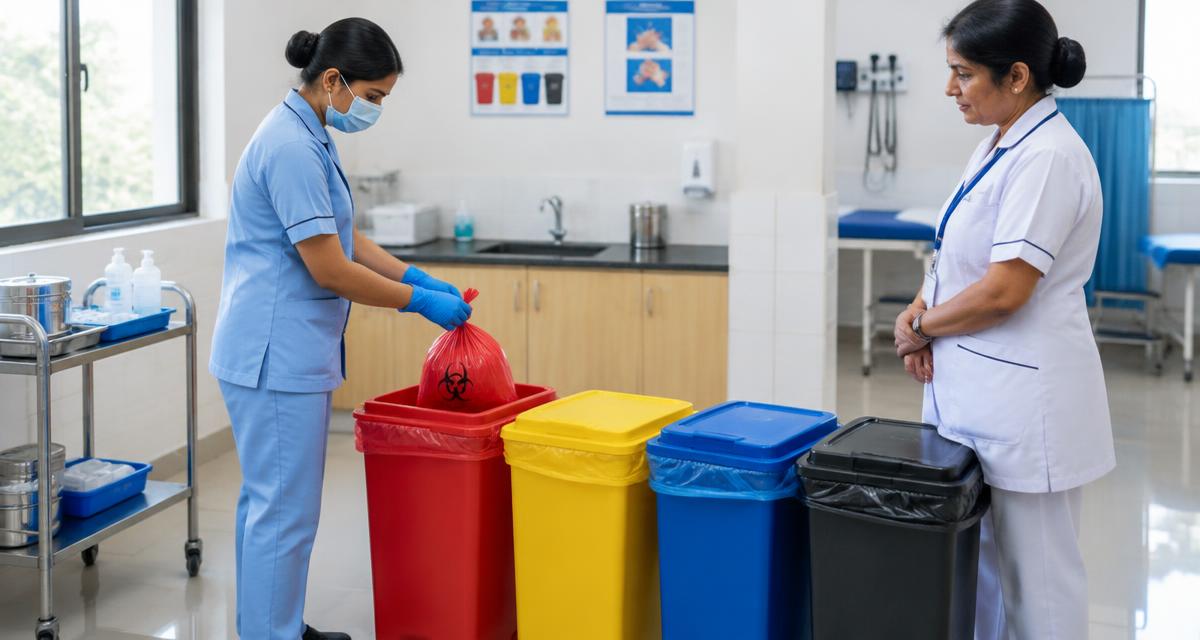
Workplace clinics generate small but real quantities of biomedical waste — sharps, dressings, used swabs and expired medicines. The Bio-Medical Waste Management Rules, 2016 apply to occupiers that generate such waste.
Segregation at source
Waste is segregated into colour-coded categories at the point it is generated, with puncture-proof containers for sharps. Staff training matters more than bins: most violations start with mixing.
Storage and handover
Segregated waste is stored safely for a limited time and handed to an authorised common biomedical waste treatment facility. Keep handover records.
Records and authorisation
Depending on the quantity and your State Pollution Control Board, you may need authorisation and periodic reports. Maintain a waste register and training records.
This article is general guidance, not legal advice. Requirements vary by state, process and headcount, so confirm the rules that apply to each site with your factory inspectorate or a qualified adviser.
We handle this as part of biomedical waste management for OHCs.
Plan My Health delivers biomedical waste management, occupational health centre services and OHC doctor and nurse staffing for companies across India — talk to our corporate health team for a proposal matched to your workforce.
Share this article
Pick a tagline
The highlighted image above appears automatically as the preview picture on WhatsApp, LinkedIn and Facebook.
Related services
Want this for your workforce?
Start free with 25 employee health risk assessments and a corporate dashboard.
Get started for corporates